



Hacking has long been a term shrouded in controversy, often misunderstood by the public due to its portrayal in media and pop culture. While some view hackers as cybercriminals wreaking havoc on networks and systems, others recognize them as digital guardians who work tirelessly to protect sensitive information. The reality is that hacking exists on a spectrum, ranging from malicious cybercriminal activities to ethical cybersecurity practices. Understanding the ethical divide between black hat and white hat hackers is crucial in appreciating the role ethical hacking plays in cybersecurity.
Understanding the Spectrum of Hackers
Hackers are not a monolithic group; they come in various forms, each with distinct motivations and methodologies. The three primary types of hackers include:
- Black Hat Hackers: These individuals operate outside the boundaries of legality and ethics, seeking to exploit security vulnerabilities for personal gain, financial profit, or malicious intent. Their actions include data breaches, identity theft, deploying malware, and launching cyberattacks to disrupt businesses, governments, and individuals.
- White Hat Hackers: Also known as ethical hackers, these professionals use their skills to identify and fix security weaknesses before they can be exploited by malicious actors. They work with organizations to strengthen cybersecurity defenses, conducting penetration testing and vulnerability assessments to protect digital assets.
- Gray Hat Hackers: Falling somewhere in between black and white, gray hat hackers may not have malicious intent, but they operate outside the bounds of authorization. They may find security flaws in systems and disclose them without permission, sometimes requesting rewards or publicity in return. Their actions, while not always legally questionable, raise ethical concerns.
The Core Ethical Differences
While both black hat and white hat hackers possess advanced technical skills, the key distinctions lie in their intent, legality, and impact:
1. Intent and Motivation
Black hat hackers are driven by personal gains such as financial rewards, revenge, corporate espionage, or cyber warfare. They do not consider the consequences of their actions on individuals, businesses, or society at large.
White hat hackers, on the other hand, are motivated by the desire to strengthen cybersecurity, protect sensitive information, and contribute to the safety of digital environments. Many ethical hackers work under official contracts for companies, ensuring their activities are legal and beneficial.
2. Legality and Consequences
The biggest differentiator between black and white hat hacking is legality. Black hat hackers engage in activities that violate cybersecurity laws, such as unauthorized access, data theft, and ransomware attacks. If caught, they face severe legal penalties, including fines and imprisonment.
White hat hackers operate within the law, often certified and hired by organizations to conduct ethical penetration testing. Their work is crucial for ensuring compliance with security standards such as GDPR, HIPAA, and ISO 27001.
3. Impact on Society
Black hat hacking contributes to a rise in cybercrime, financial fraud, and national security threats. Their actions disrupt businesses, compromise personal data, and weaken public trust in online services.
Conversely, white hat hackers play a critical role in defending against cyber threats. They identify security flaws before criminals can exploit them, develop cybersecurity strategies, and help organizations stay ahead of evolving cyber risks.
The Role of Ethical Hacking in Cybersecurity
Ethical hacking is a fundamental pillar of modern cybersecurity. White hat hackers engage in:
- Penetration Testing: Simulating cyberattacks to assess the security strength of a system.
- Vulnerability Assessments: Identifying and reporting weaknesses in software and networks.
- Red Teaming Exercises: Acting as adversaries to test an organization’s security defenses in real-world scenarios.
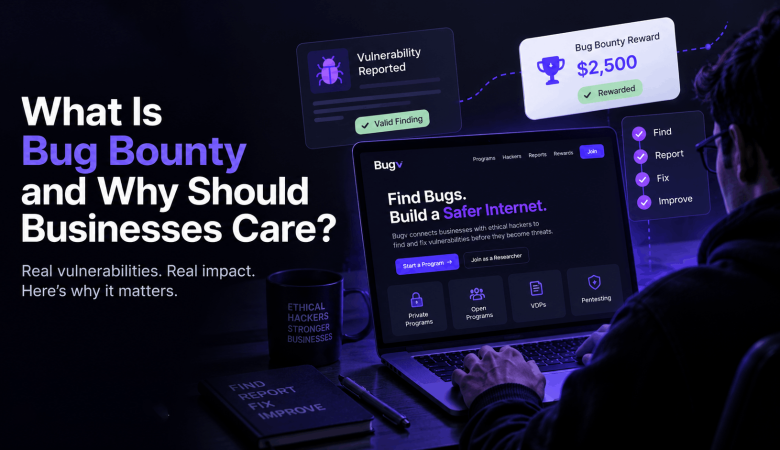
Bug bounty programs, like those run by bugv, empower ethical hackers by providing them with legal and structured platforms to discover vulnerabilities. These programs offer financial rewards and recognition, incentivizing ethical hacking and bridging the gap between security researchers and organizations.
The Gray Line: Is Ethical Hacking Always Ethical?
Despite its legal and ethical stance, ethical hacking sometimes raises moral dilemmas. Questions arise about responsible disclosure—if an ethical hacker finds a flaw, should they immediately disclose it, even if the organization is slow to act? Should security researchers explore vulnerabilities without permission, even if they intend to help?
To address these concerns, strict ethical guidelines and legal frameworks are necessary. Responsible disclosure policies outline how vulnerabilities should be reported and handled to ensure security improvements without causing harm or exposure to risks.
Conclusion
Hacking is not inherently bad; its ethics depend on the intent and actions of the hacker. Black hat hackers exploit weaknesses for personal or financial gain, while white hat hackers work diligently to prevent cyber threats and improve security. Ethical hacking has become an essential tool in cybersecurity, helping organizations stay resilient against evolving digital threats.
By supporting ethical hacking initiatives like bug bounty programs, we can make the internet a safer place. At Bugv, we champion ethical hackers and provide them with opportunities to test their skills while securing the digital landscape.
Are you ready to be a force for good in cybersecurity? Join our bug bounty community today and help build a more secure future!