





The Common Vulnerabilities and Exposures (CVEs) are a key element of the contemporary cybersecurity. They offer a common framework to record identifiable risks and support security staff to remain updated on new threats. However, though CVE information is imperative, it is not the end but the beginning of actual security testing.
Practically, they do not succeed because a CVE is present. They are successful since vulnerability can be identified, abused and taken advantage of in a particular environment. This is the difference between knowing of vulnerabilities and discovering actual exploits and this is where most security programs fail.
CVEs Explain What, Not How
CVEs indicate the type of vulnerability, components that are affected and impact. They assist teams in knowing what may go amiss, but not how vulnerabilities are realized in custom applications, unique infrastructures, or intricate business logic.
It can be the case that two organizations are operating one software version, and only one of them is exploitable. The differences in configurations, user roles, integrations, and data flows determine whether a CVE can be a real risk or not. This context cannot be understood through mere reference, but through actual testing.
Why Real Exploits Are Rarely Textbook
There are often real-world weaknesses that arise as a result of interplay of minor weaknesses and not a noticeable one. A bad permission setup, an invalid parameter, and a poorly built workflow may all appear safe on their own- but when combined, they can result in account compromise or data leakage.
Bug bounty programs are concerned with the identification of such chained vulnerabilities. They see how systems respond to creative abuse, not whether they are considered to be vulnerable or not.
What Bug Bounty Platforms Actually Measure
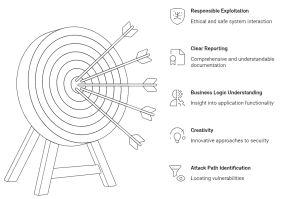
In comparison to the type of evaluation done by static assessment, bug bounty programs assess:
- A researcher’s ability to identify attack paths unique to an application
- Creativity in bypassing intended controls
- Understanding of business logic and real impact
- Responsible exploitation and clear reporting
These are much more than the identification of CVE identifiers. They mirror the way real attackers work prodding systems until something goes away.
Continuous Testing in a Changing Threat Landscape
New CVEs are issued every day, but most critical issues do not have one. Logic errors, authorization, and workflow attacks do not usually appear on the venerable vulnerability databases.
The use of bug bounty platforms offers a continuous, human-induced testing that changes along with the applications. The code change, feature release, or integration will add new attack surfaces that automated scans and static CVE checks can overlook.
From Awareness to Real Security
Being aware of CVEs makes teams aware. Exploitability testing makes them remain safe. The distinction is on justifying risk using actual behavior and not hypothetics of being exposed to risk.
Hackerspaces such as Bugv can fill this buy linking organizations with professional researchers of security who will break systems in the manner that attackers do- with responsible disclosure and practical outcomes.
Call to Action
Unless your security program is based on the CVE tracking and automated scans, you are only getting a part of the story. Bugv assists the organization to go past the vulnerability awareness to actual exploit validation using live hacking and skill-based testing.
Break what is really important, before the attackers break it.