


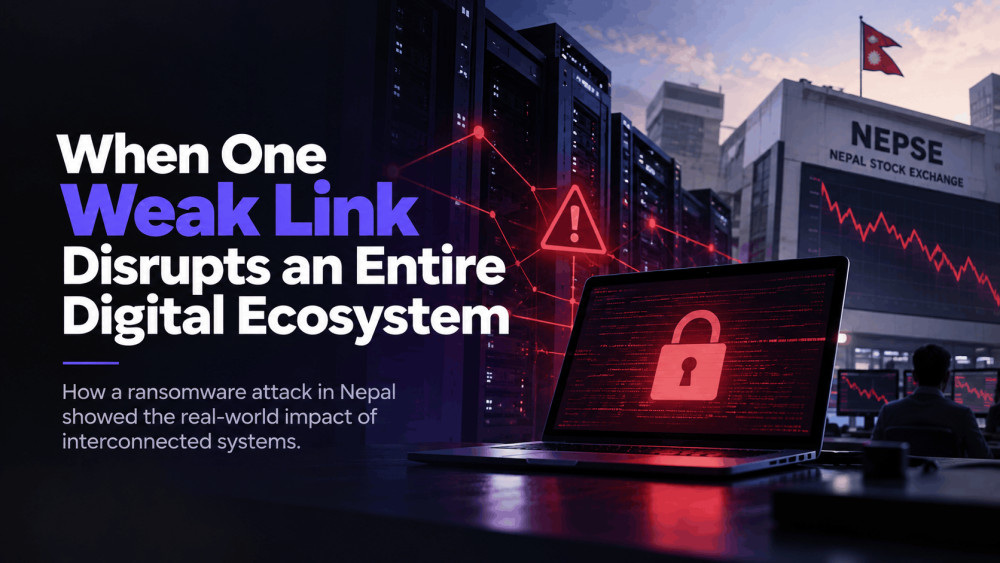

When critical systems are connected, one cyber incident can quickly become everyone’s problem.
A recent ransomware incident in Nepal highlighted exactly how interconnected today’s digital infrastructure has become.
A ransomware attack at DataHub Pvt. Ltd., a data centre hosting systems used by 72 brokerage companies, disrupted services connected to Nepal’s stock market. As the affected systems were assessed and restored, NEPSE suspended trading for an entire day.
The incident reportedly affected multiple interconnected services, including Trading Management Systems (TMS), CDSC-related systems and payment gateways. Trading later resumed after systems were restored using backup infrastructure.
While the incident involved a specific organization, its impact extended far beyond a single company.
Why Does One Cyberattack Affect So Many Organizations?
Modern businesses rarely operate in isolation.
Companies depend on cloud platforms, data centres, payment providers, software vendors, APIs, third-party services and shared infrastructure to keep their operations running.
This creates an interconnected digital ecosystem.
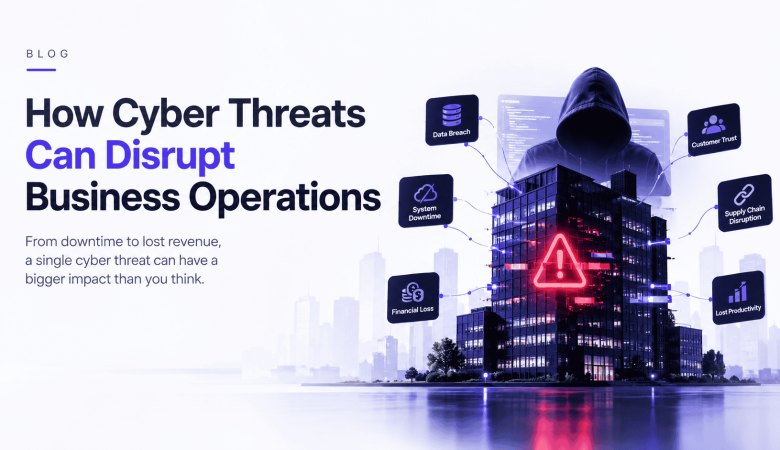
When one critical component becomes unavailable, compromised or disrupted, the organizations depending on it can also feel the impact.
That means a cybersecurity incident does not always stay within the boundaries of the organization that was attacked.
One weak link can create a much larger chain of disruption.
Cyberattacks Are Not Always About Data Theft
When people hear about a cyberattack, they often think about stolen passwords, leaked databases or exposed personal information.
But attackers do not always need to steal data to cause serious damage.
Losing access to critical systems can be just as disruptive.
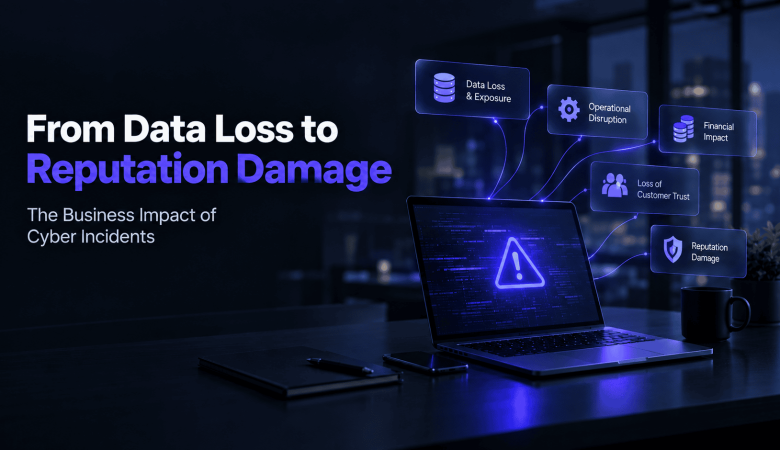
For businesses, system downtime can mean:
- Interrupted operations
- Customers unable to access services
- Delayed transactions
- Financial losses
- Operational uncertainty
- Pressure on recovery teams
In industries that depend on real-time digital infrastructure, even a short disruption can have consequences beyond the organization itself.
The Bigger Cybersecurity Lesson
The incident highlights an important cybersecurity principle:
Security is not only about preventing an attack. It is also about being prepared when prevention fails.
A strong cybersecurity strategy should cover the entire lifecycle of an incident:
Prevention → Detection → Response → Recovery
Organizations should consider questions such as:
Prevention: Are critical systems regularly assessed for vulnerabilities?
Detection: Can suspicious activity be identified quickly?
Response: Is there a clear plan for containing an incident?
Recovery: Can critical services be restored quickly using reliable backups?
These areas become even more important when organizations rely on interconnected systems and third-party infrastructure.
What Organizations Can Learn
Cybersecurity cannot be treated as a one-time checklist.
Organizations should continuously evaluate their security posture through measures such as:
- Regular vulnerability assessments and penetration testing
- Continuous security monitoring
- Secure and regularly tested backups
- Incident response planning
- Access control and privilege management
- Third-party and vendor security assessments
- Business continuity and disaster recovery planning
The goal is not to assume that an attack will never happen.
The goal is to make sure an organization can withstand one when it does.
Why This Matters Beyond the Stock Market
The lesson from incidents like this extends far beyond financial services.
Healthcare, banking, education, telecommunications, government services and e-commerce all depend on interconnected digital infrastructure.
A disruption in one part of the ecosystem can affect many others.
As organizations become more digitally connected, cybersecurity has to become more interconnected too.
Protecting your organization also means understanding the systems, vendors and infrastructure your organization depends on.
This Hacktober, Stay Cyber Aware
Cybersecurity Awareness Month is not just about learning what phishing looks like or creating a stronger password.
It is about understanding how cybersecurity affects the systems we rely on every day.
The recent disruption in Nepal is a reminder that a cyber incident can move beyond a screen and create real-world consequences.
Your digital systems are connected. Your cybersecurity should be too.
This Hacktober, Bugv is sharing practical cybersecurity insights, challenges and awareness content to help businesses, professionals and communities better understand the digital threats around them.
Stay aware. Stay prepared. Stay secure.
Because cybersecurity is not just about protecting systems. It’s about keeping the ecosystem running.